
Refusing to split a bill puts everyone in an uncomfortable position. It creates tension on the spot and raises questions about fairness, trust, and future plans.
Sometimes it’s a misunderstanding. Other times, it’s a pattern that needs to be addressed. How you respond matters more than the amount of money involved.
This article explains how to handle bill-splitting refusals calmly, protect yourself from repeat issues, and keep group situations from turning into ongoing conflict.
"When someone refuses to split a bill, I try not to make it a big deal. I usually keep it light and a bit funny, like saying, “So you think we should pay for your food, right? Nice try, mate.” Humor lowers the tension and makes it easier to sort it out without drama." - Martynas Baniulis
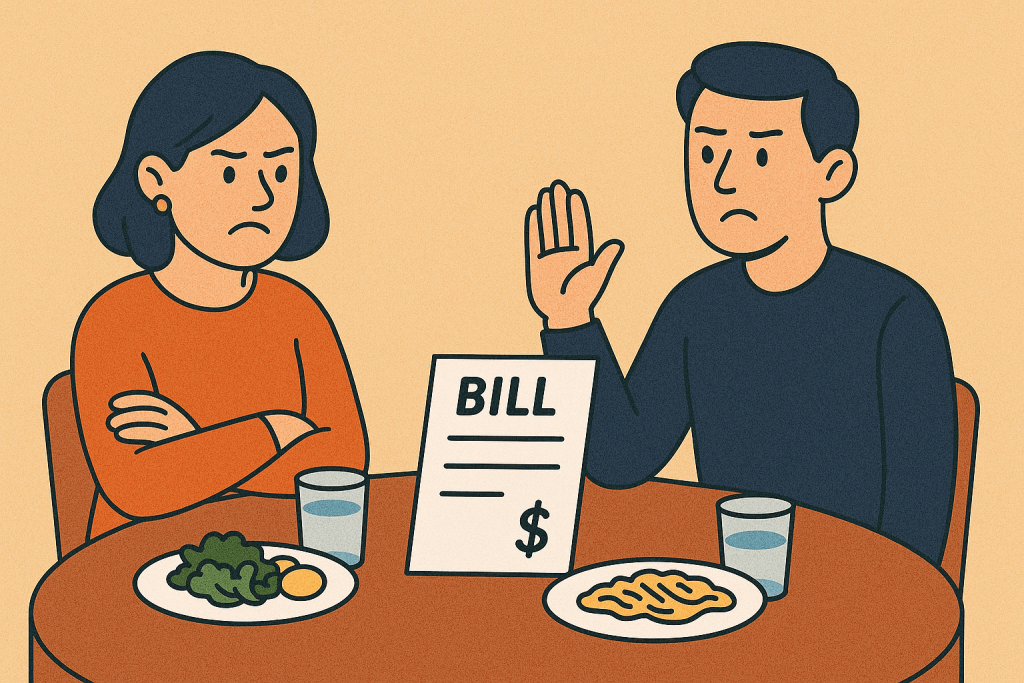
Before reacting, try to understand why someone is refusing to split. The reason affects how you should respond.
💭 Possible Reasons for Refusal:
• Genuine financial constraints
• Disagreement about fairness of the split
• Misunderstanding about what was agreed
• Cultural differences about money
• Personal principles about paying
• Intentional freeloading behavior
How you respond in the moment can either calm the situation or escalate it, so the first steps should focus on clarity and tone.
Don’t react emotionally. Try to understand their perspective first.
Script: “Help me understand your concern about splitting this. What would feel fair to you?”
Script: “I thought we agreed to split this equally. Did I misunderstand something?”
Be flexible and suggest compromises that might work for everyone.
Example: “Would you be comfortable paying for just what you ordered instead of splitting equally?”
Standing firm matters when fairness is being challenged in the moment. If someone refuses to split after benefiting from a shared expense, staying silent often shifts the cost onto others. Addressing it calmly sets a boundary without escalating tension.
This is about clarity, not confrontation. You’re not forcing agreement. You’re stating what you’re willing to accept so the situation doesn’t repeat.
🚨 Red Flags That Require Firm Response:
• Pattern of avoiding payment responsibilities
• Ordering expensive items then refusing to pay fairly
• Taking advantage of others’ generosity
• Showing no intention of reciprocating
• Being dishonest about financial capacity
Protecting the group is about preventing the same issue from happening again. One refusal can quickly become a pattern if expectations stay vague. Clear systems reduce reliance on memory, assumptions, or goodwill.
Upfront payments, shared tracking, and visible balances shift responsibility away from individuals and onto agreed rules. This keeps future plans fair without putting pressure on any one person to enforce them.
🛡️ Group Protection Strategies
• Require upfront payment for future group activities
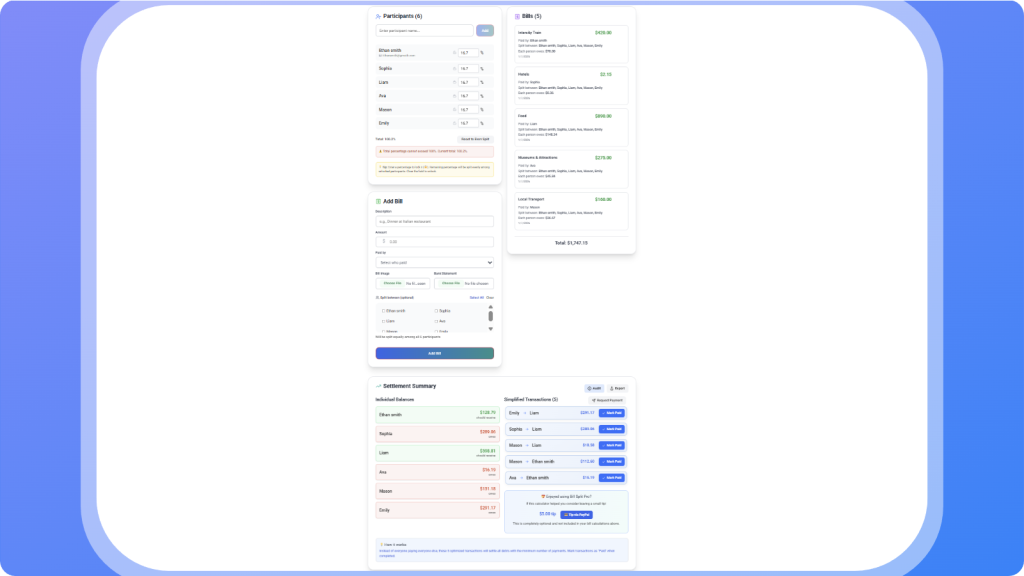
• Use transparent tracking tools that show everyone’s contributions
• Set clear consequences for non-payment
• Consider excluding repeat offenders from expensive activities
Not every refusal means conflict. Some situations are one-off misunderstandings. Others repeat. The difference matters.
If someone refuses to split once and takes responsibility later, the issue often resolves on its own. When it keeps happening, the problem is no longer the bill. It’s the expectation that others will quietly cover the gap.
This is where structure helps. Using a shared bill split calculator makes contributions visible over time. Patterns are harder to deny when everyone sees the same numbers. Clear tracking removes guesswork and makes boundaries easier to set without turning the issue personal.
When expectations are visible, conversations stay factual. That protects both your finances and the relationship.

A refusal to split a bill is rarely just about money. It’s about expectations, respect, and boundaries.
Address the issue early. Stay calm. Be clear about what feels fair and what you’re willing to accept going forward.
Handling it once is better than letting it become a pattern. Clear boundaries protect both your finances and your relationships.
⚖️
Use transparent systems like Bill Split Pro to prevent bill splitting disputes. Clear tracking protects everyone involved.
Transparent & Protected
