

Sharing a pet means sharing responsibility. Vet visits, food, grooming, and unexpected care add up quickly, and unclear expectations can create tension between owners.
Fair cost sharing keeps attention on the pet, not money disputes. The right split depends on ownership structure, time spent caring for the pet, and who makes decisions.
This article explains how shared pet costs are usually handled and how to split them in a way that feels fair.
"I’m the main owner of my labrador, so I take care of him and pay for everything he needs. My family helps from time to time, but the responsibility is mine, so I cover the bills. In general, pet care costs should reflect responsibility and time. If care is equal, splitting equally makes sense. If one person handles most of it, the split should adjust." - Martynas Baniulis
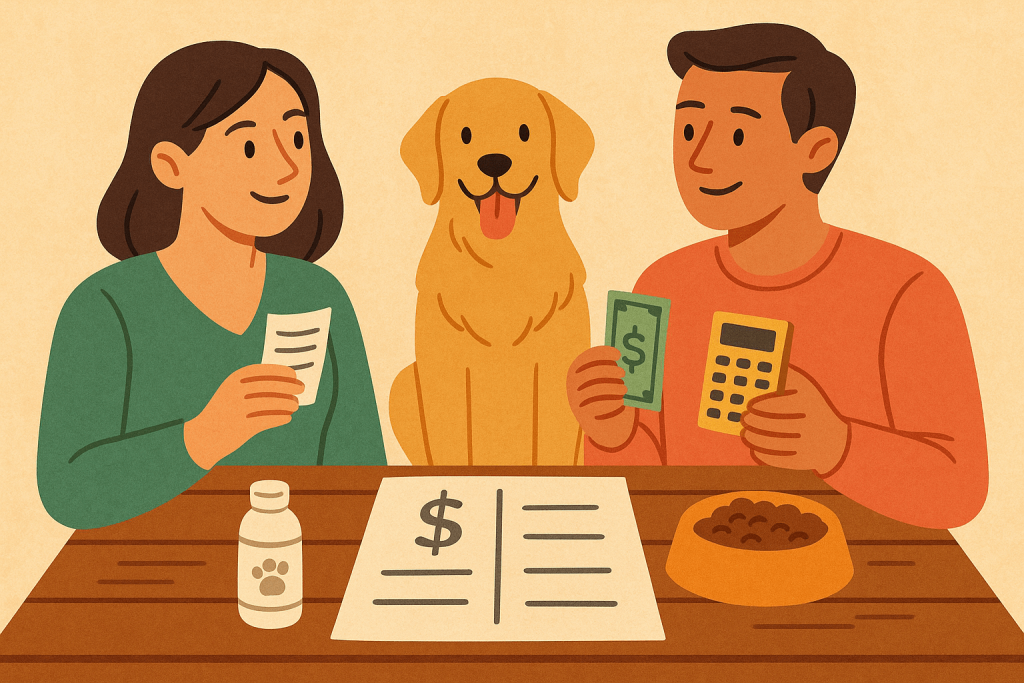
Most disagreements come from unclear roles. People agree to share a pet but never define who pays for what or who has the final say on bigger expenses, which leads to frustration later.
👫 Co-Ownership (Equal Partners)
Both owners have equal rights and responsibilities. Decisions and costs are shared evenly.
• Split regular expenses 50/50
• Share decision-making on vet care and insurance
• Divide daily care and time evenly
This works when involvement is truly equal. Problems start when one person quietly takes on more care without adjusting costs.
🏠 Primary Owner with Support
One person is the main owner, while others help with care or costs.
• Primary owner covers core needs
• Others contribute to agreed expenses
• Contributions reflect involvement and benefit
This setup avoids confusion when one person makes final decisions. Clear limits prevent support from becoming assumed obligation.
⏰ Income-Based Splitting
Costs are split based on each owner’s income rather than equal amounts.
• Higher earner covers a larger share of expenses
• Lower earner contributes proportionally
• Common when commitment is shared but finances are not
This approach keeps care fair without putting financial strain on one person. It works best when both owners agree on transparency and revisit the split if incomes change.
Defining shared expenses upfront prevents arguments later, especially for non-routine purchases.
🤝 Usually Shared:
These expenses directly support the pet’s health and daily needs.
• Veterinary bills and checkups
• Emergency medical expenses
• Pet insurance premiums
• Food and basic supplies
• Grooming services
• Boarding or pet sitting costs
Shared costs should be agreed on early. Assumptions often cause conflict.
👤 Often Individual:
Some expenses reflect personal preference or responsibility.
• Luxury toys and accessories
• Premium food upgrades
• Training classes (unless agreed upon)
• Travel carriers for personal trips
• Damage caused by specific owner’s negligence
Keeping these separate avoids resentment over optional spending.
Pet emergencies are stressful and expensive. Deciding how to handle them in advance avoids rushed arguments.
🚨 Emergency Cost Guidelines:
• Set spending limits that require discussion
• Decide who can approve urgent treatment
• Split emergency vet bills according to your agreement
• Keep detailed records of all emergency expenses
For ongoing shared care, tracking routine and emergency expenses in one place, such as a simple bill split calculator, helps keep things clear.
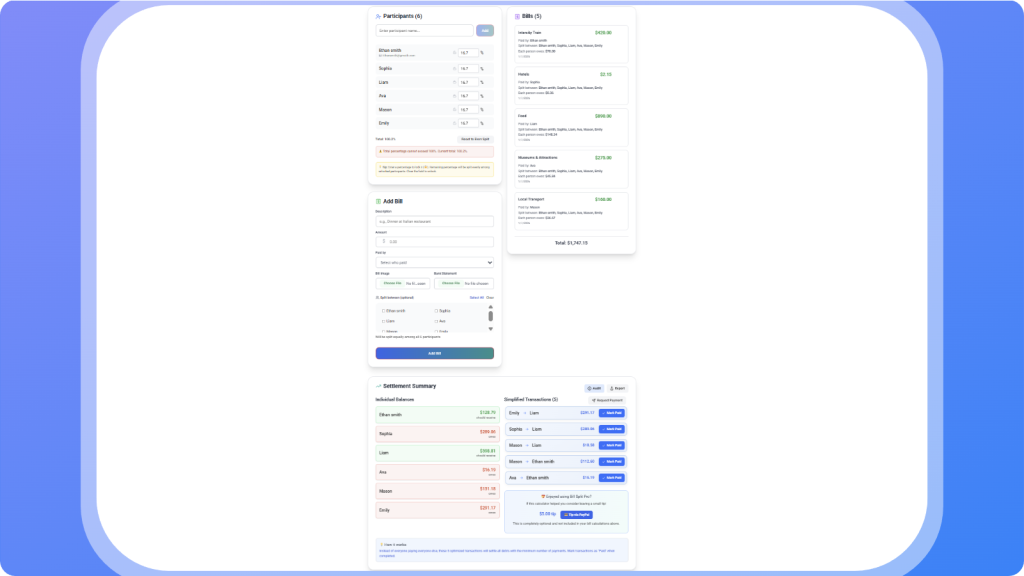
A basic system prevents pet expenses from turning into personal disputes. When payments are handled casually, people lose track, forget who paid last, or start feeling they cover more than their share.
Decide who pays upfront, how reimbursements work, and how often costs are reviewed. Set this early so decisions do not happen under pressure. If care roles or living situations change, the system should change with them.
Creating a dedicated group for pet expenses in Bill Split Pro helps keep everything clear. Track vet bills, food, grooming, and shared costs in one place so everyone sees the same numbers and confusion never builds up.
Pet care works best when responsibilities are clear and agreed upfront. Costs should reflect ownership, time, and decision authority.
Talk through regular expenses and emergencies before they happen. Adjust arrangements if living situations or care schedules change.
When expectations are clear, shared pet ownership stays positive for everyone involved – especially the pet.
🐕
Track pet expenses transparently with Bill Split Pro. Keep your furry friend happy and costs fair.
