
Event plans are easy. Event payments are not. Different ticket prices, seat choices, and extras can turn a fun outing into awkward math.
What feels fair depends on how tickets are bought and what costs are shared. Some groups prefer simplicity. Others want precision. Clear agreement keeps things smooth.
This article explains fair ways to split event costs so money never overshadows the experience.
"For events like concerts, festivals, or sports games, I think costs should be clear from the start. When everyone gets the same ticket or experience, splitting equally makes the most sense, with any extra fees agreed on before buying." - Martynas Baniulis
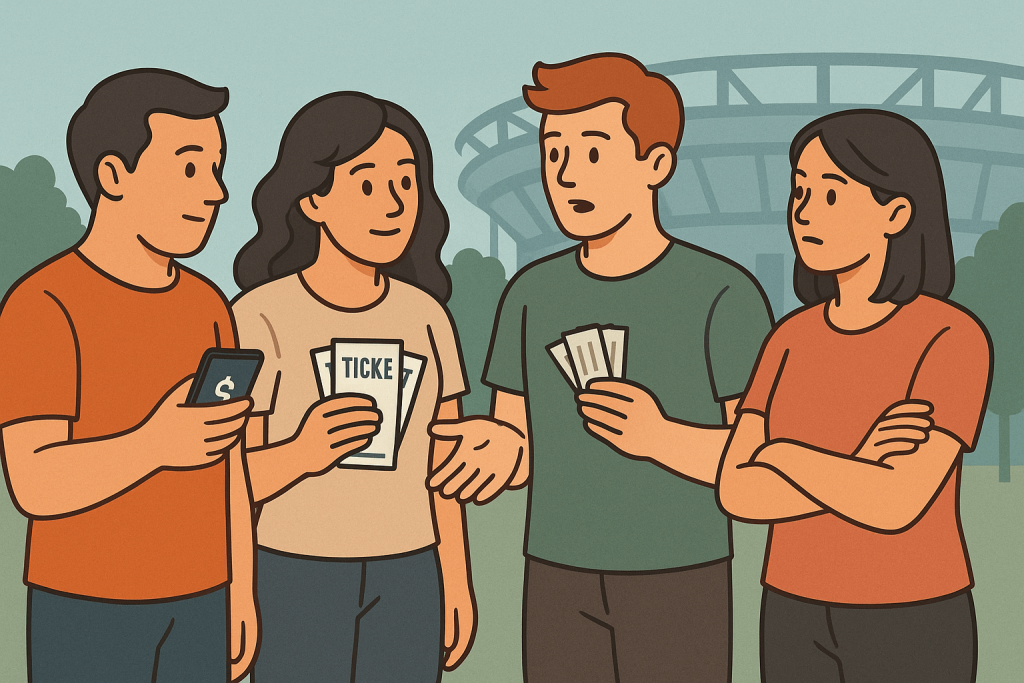
Most event payment issues come down to three decisions: how tickets are handled, which extras are shared, and how changes are managed later. Getting those answers early prevents confusion and resentment.
Event tickets often vary by seat, section, or package. How those differences are handled should match what each person actually paid for, not be forced into a one-size-fits-all split.
If everyone buys tickets at the same price, splitting the ticket cost evenly makes sense. Everyone paid for the same seat tier and received the same experience, so there’s no imbalance to correct.
This works best when tickets were purchased together, prices didn’t vary by section, and no one upgraded separately.
Best for: Groups with identical tickets, shared seating sections, or uniform pricing.
When ticket prices vary by seat, section, or package, each person should cover their own ticket. Splitting unequal ticket prices evenly creates friction and usually feels unfair to at least one person.
In these cases, only shared extras should be split. The ticket itself stays individual.
Best for: Groups with mixed budgets, different seating preferences, or tiered ticket options.

Some expenses benefit the whole group, even if they aren’t part of the ticket itself.
Shared costs often include parking, transportation, group accommodations, or pre-event plans. These are usually split evenly unless someone opts out or incurs extra costs by choice.
Personal spending, such as food, drinks, or merchandise, should stay individual unless the group agrees otherwise.
Events change. People cancel. Plans shift. This is where most payment problems actually start.
Before tickets are purchased, agree on how non-refundable tickets are handled, whether dropped spots can be replaced, and who absorbs the cost if refunds aren’t possible. If the event is rescheduled, decide upfront whether payments carry over or are settled again.
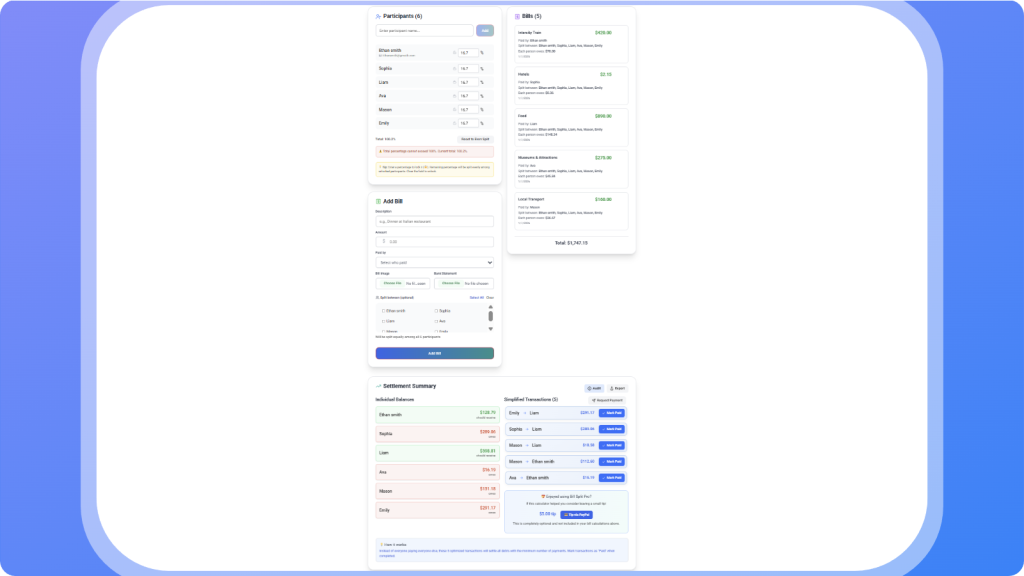
Using a shared bill split calculator makes these situations easier to handle. Everyone can see who paid, what’s refundable, and how balances change if plans shift. That visibility keeps adjustments practical instead of emotional.
When expectations are clear and costs are tracked openly, last-minute changes stay logistical instead of personal.
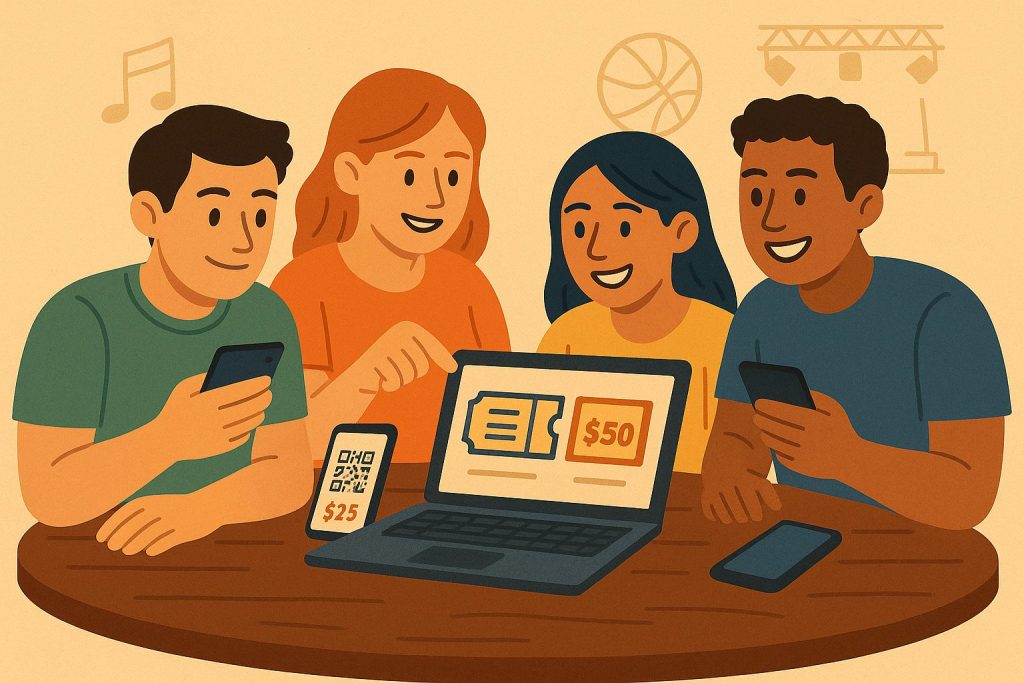
Fair event cost splitting starts with ticket clarity. Shared experiences can be split evenly. Individual choices should stay individual.
Agree on the method before buying tickets. Decide how add-ons are handled. Plan for cancellations or dropouts.
Most event money issues come from rushed decisions. A quick agreement keeps the focus on enjoying the event, not settling bills.
🎫
Track event expenses transparently with Bill Split Pro. Focus on the experience, not the costs.
