

Splitting accommodation costs can get awkward fast. Different room sizes, couples sharing beds, couches, and early departures all change what feels fair.
An equal split works in some cases. In others, it creates quiet frustration. The goal is not perfect math. It is an agreement everyone accepts before the stay begins.
This article explains how Airbnb and hotel costs are usually handled and how to split them based on room value and actual use.
"For Airbnb or hotel stays, I think the split should match what each person gets. If everyone has similar rooms and stay lengths, splitting equally is fair. If someone has more space or extra nights, adjusting the split avoids tension later." - Martynas Baniulis
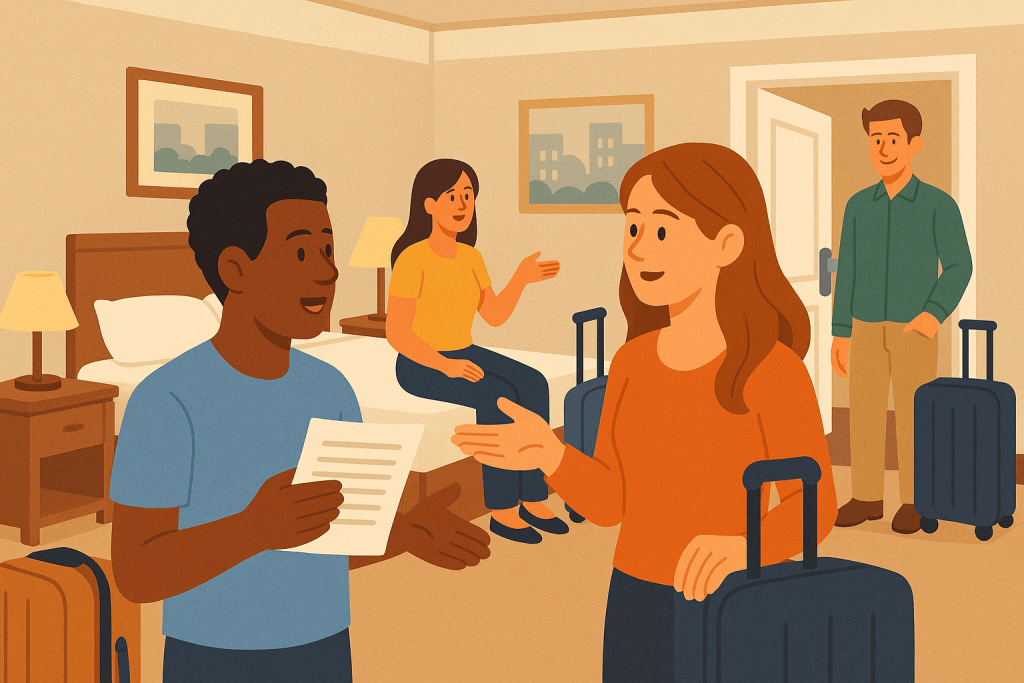
Most issues start with room assignments. People agree on a place before agreeing on how rooms affect price, then try to fix it after booking.
Fair splits depend on room quality, how many people share each space, and how long everyone stays. When those factors are clear early, cost decisions feel logical instead of personal.
How you split accommodation costs should follow room value and sleeping arrangements. Not all rooms offer the same comfort, privacy, or space, and pretending they do is what causes friction.
✅ Equal Splitting Works When:
• All bedrooms are similar in size and amenities
• Everyone gets their own bed
• Room assignments are random or rotated
• Group prefers simplicity over precision
In these cases, an equal split feels natural and avoids overthinking.
⚖️ Adjust Splitting When:
• Someone has a master suite with a private bathroom
• Significant size differences between rooms
• Some people share beds or sleep on couches
• Premium rooms with better views or amenities
Ignoring these differences almost always leads to quiet resentment.
Vacation rentals often have unique layouts with different room types, shared spaces, and varying amenities. Here’s how to handle the most common scenarios.
Example: $1,200 Airbnb ÷ 6 friends = $200 each
Example: Master suite pays 25% more, others split the remainder equally
Example: Couples pay 1.5x per person, singles pay standard rate
Hotels typically have more standardized room types, but you still need to account for different preferences and booking arrangements.
🏨 Hotel Splitting Strategies:
• Standard rooms: split equally
• Suite upgrades: upgrade cost paid by those requesting it
• Single occupancy: solo travelers may pay a small premium
• Different check-in dates: split by nights stayed
Clear rules avoid debates at checkout.
💰 Usually Split Equally:
• Cleaning fees
• Service charges
• Resort fees
• Parking fees
• WiFi charges
👤 Consider Individual:
• Room service charges
• Minibar usage
• Spa services
• Premium room upgrades
• Late checkout fees
🔐 Security Deposit Guidelines:
• Split deposit equally among all travelers
• Track deposit as a separate expense
• Handle damage charges based on responsibility
• Refund splits equally when deposit is returned
This keeps accountability clear.
When people arrive or leave on different days, costs should be split by actual nights stayed, not by headcount alone. Charging someone for nights they were not present almost always feels unfair.
Start by calculating the nightly rate. Then assign each person their share based on how many nights they stayed. Shared fees like cleaning or service charges can either be split evenly or prorated by nights, as long as the rule is agreed upfront.
This approach keeps the split logical and avoids tension when travel schedules do not perfectly align.

Fair accommodation splitting starts with honesty. Room quality, occupancy, and stay length all matter.
Agree on the rules before booking. Adjust when differences are obvious. Keep the logic simple enough that everyone understands it.
Most conflicts come from unspoken expectations. Clear agreements keep the trip relaxed and drama-free.
🏨
Handle Airbnb and hotel costs transparently with Bill Split Pro. Fair splitting for any accommodation type.
